Русский
 Español
 Português
 العربية
 日本語
日本語
 한국어
한국어
 Tiếng Việt
 ພາສາເຄຍລະມັດ
 ไทย
ไทย

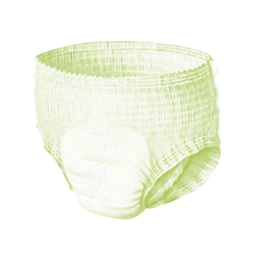
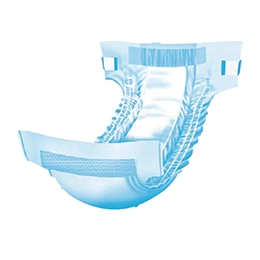
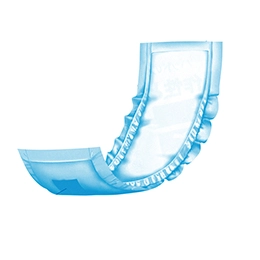
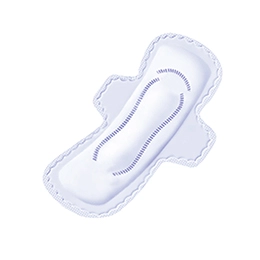




How to Use Adult Diapers Correctly: Enhancing Comfort and Health, Safeguarding the Quality of Life for Special Groups
With the aging of the population and the increasing needs of post-operative care and incontinent groups, adult diapers, as important care products, often have their correct usage methods overlooked. Improper use may lead to skin problems, reduced comfort, and other troubles. Therefore, professional caregivers have specially summarized the correct usage steps and precautions to help users and caregivers improve the quality of care.
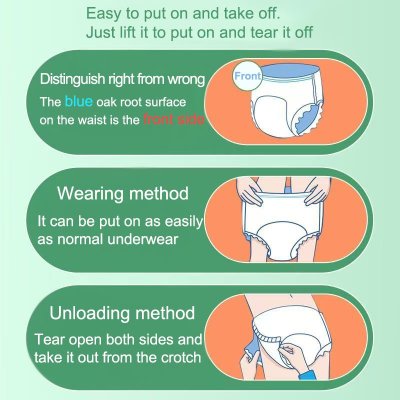
Firstly, choosing a suitable product is the foundation. It is necessary to select adult diapers of appropriate size and absorption capacity according to the user's waist circumference, hip circumference, and incontinence level. A size that is too tight may cause skin damage and affect blood circulation, while a size that is too loose may lead to side leakage. The absorption capacity should match the amount of incontinence: thin and light models are suitable for mild incontinence, while high-absorption models are required for severe incontinence to avoid frequent changes that affect rest. Secondly, standardizing the wearing steps is crucial. Before wearing, ensure the user's skin is clean and dry, and a mild diaper rash cream can be applied to protect the skin. After unfolding the diaper, help the user lie on their side, place the inner side of the diaper against the body, and adjust it to the waist and abdomen position. Then assist the user to turn over and lie flat, arrange the edges of the diaper to ensure it fits the root of the thighs and the waist. When sticking the magic tape, the tightness should be such that one finger can be inserted, avoiding being too tight or too loose.
Thirdly, timely replacement and skin care are key. It is recommended to replace the diaper regularly according to its absorption status, generally every 3-4 hours. If urine leakage or damp skin occurs, replace it immediately. When replacing, gently clean the skin of the buttocks and perineum with warm water, and pat it dry with a soft towel, avoiding vigorous wiping that may damage the skin. For long-term users, check the skin condition regularly. If redness, itching, or other discomfort occurs, consult medical staff in a timely manner.
Secondly, standardizing the wearing steps is crucial. Before wearing, ensure the user's skin is clean and dry, and a mild diaper rash cream can be applied to protect the skin. After unfolding the diaper, help the user lie on their side, place the inner side of the diaper against the body, and adjust it to the waist and abdomen position. Then assist the user to turn over and lie flat, arrange the edges of the diaper to ensure it fits the root of the thighs and the waist. When sticking the magic tape, the tightness should be such that one finger can be inserted, avoiding being too tight or too loose.
Thirdly, timely replacement and skin care are key. It is recommended to replace the diaper regularly according to its absorption status, generally every 3-4 hours. If urine leakage or damp skin occurs, replace it immediately. When replacing, gently clean the skin of the buttocks and perineum with warm water, and pat it dry with a soft towel, avoiding vigorous wiping that may damage the skin. For long-term users, check the skin condition regularly. If redness, itching, or other discomfort occurs, consult medical staff in a timely manner.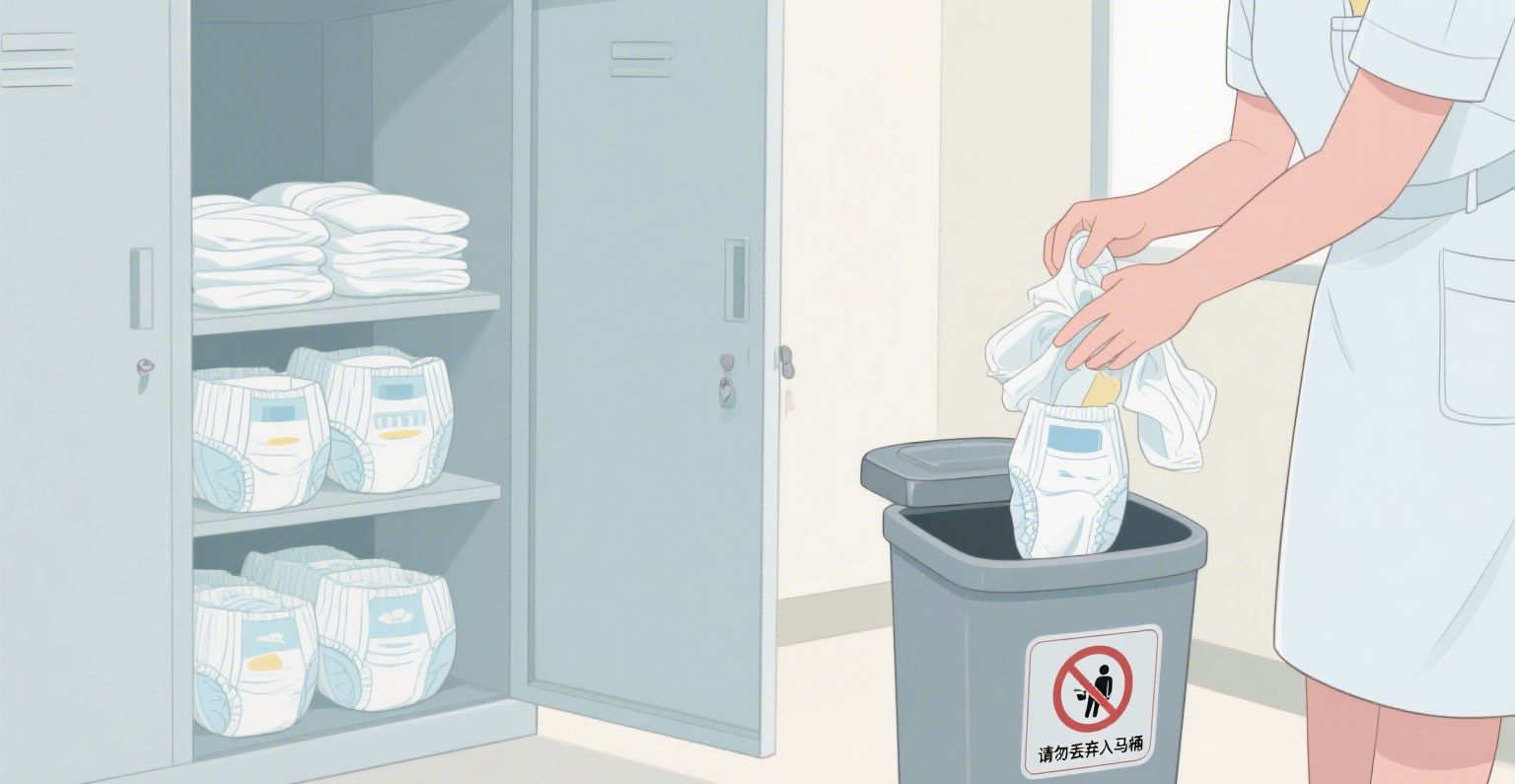 In addition, attention should be paid to storage and disposal. Unused diapers should be stored in a cool, dry, and well-ventilated place, away from direct sunlight and humid environments to prevent product deterioration. Used diapers should be tightly wrapped and thrown into a covered trash can to avoid odor diffusion and bacterial growth. They should not be discarded randomly or flushed into the toilet, as this may cause environmental pollution and pipe blockage.
Professional caregivers emphasize that the correct use of adult diapers can not only improve the user's comfort and dignity but also effectively reduce the occurrence of complications such as skin inflammation and urinary tract infections. It is hoped that through scientific guidance, more people can master the correct usage methods and provide more considerate care support for special groups.
In addition, attention should be paid to storage and disposal. Unused diapers should be stored in a cool, dry, and well-ventilated place, away from direct sunlight and humid environments to prevent product deterioration. Used diapers should be tightly wrapped and thrown into a covered trash can to avoid odor diffusion and bacterial growth. They should not be discarded randomly or flushed into the toilet, as this may cause environmental pollution and pipe blockage.
Professional caregivers emphasize that the correct use of adult diapers can not only improve the user's comfort and dignity but also effectively reduce the occurrence of complications such as skin inflammation and urinary tract infections. It is hoped that through scientific guidance, more people can master the correct usage methods and provide more considerate care support for special groups.